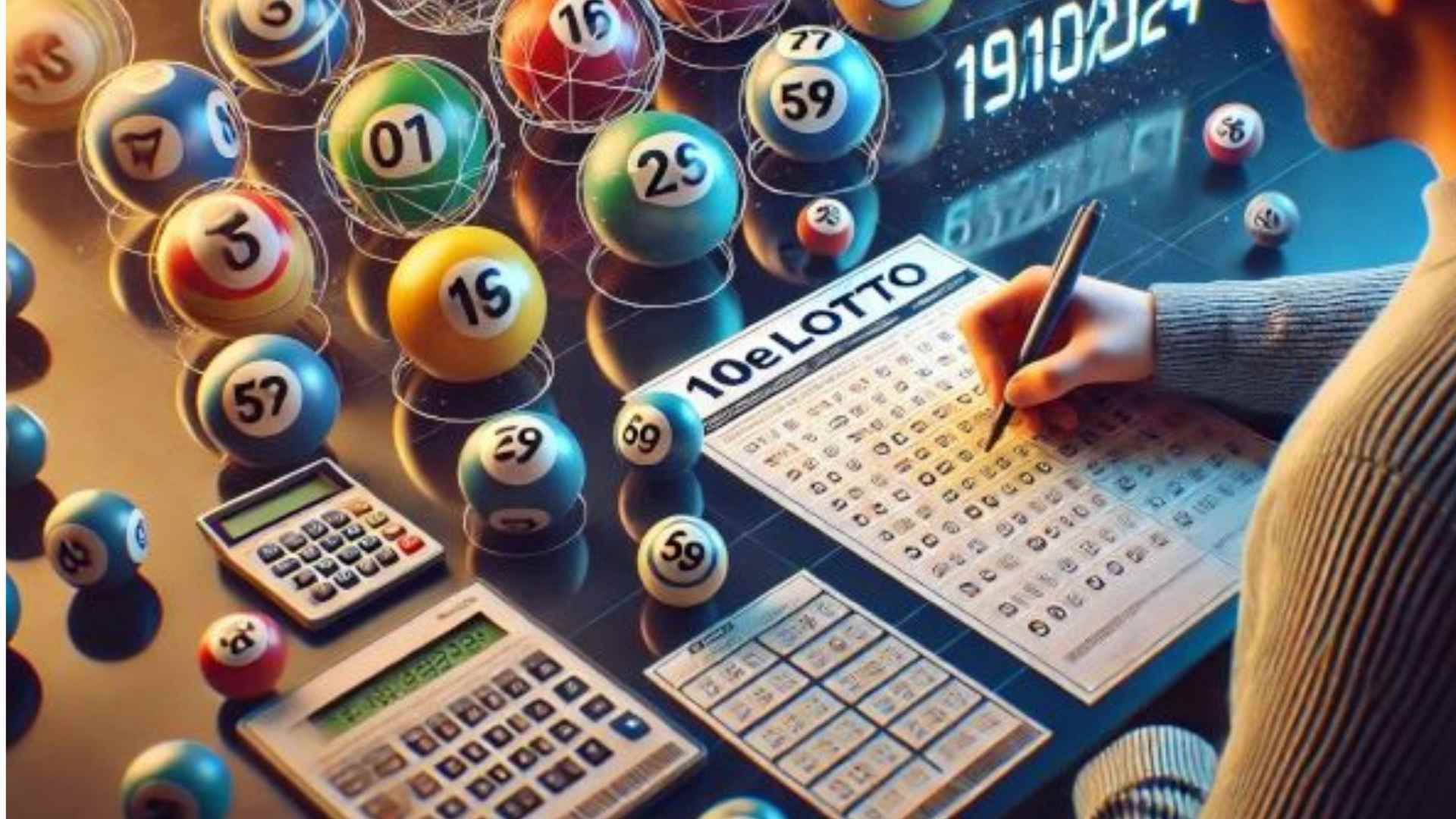
Keno has long fascinated players with its rapid draws and simple mechanics, leading many to search for hidden patterns in the numbers. While casual enthusiasts often track past results in hopes of predicting future outcomes, separating mathematical reality from persistent gaming myths is essential for a balanced experience. Understanding how these systems function can significantly improve your approach and help you maintain realistic expectations during gameplay.
The Math Behind Random Number Generation
Every modern electronic keno game relies on a sophisticated system known as a random number generator to determine which spots are selected. This technology ensures that every single draw is completely independent of the previous one, making past results irrelevant to future outcomes. Because the computer lacks a memory, a number that appeared in the last round has the exact same mathematical probability of appearing again in the next choice.
Many players enjoy tracking statistics over long sessions to find what they consider to be reliable active streaks. When exploring digital setups like the popular M88 slot platforms, players can observe a transparent environment where randomness is strictly maintained. Relying on these independent outcomes is the safest way to appreciate the true structure of lottery-style entertainment.
Debunking Hot and Cold Number Systems
The belief in hot and cold numbers remains one of the most common misconceptions found throughout the global gaming community. Hot numbers are those that have appeared frequently in recent draws, leading some to believe they are on a winning streak. Conversely, cold numbers are those that have not appeared for a long time, leading players to assume they are overdue for selection.
In reality, both of these concepts are psychological illusions created by our natural tendency to find patterns in random sequences. Over millions of hypothetical draws, every number between 1 and 80 will eventually appear an approximately equal number of times. Expecting a specific ball to appear simply because it has been absent ignores the basic laws of probability governing the game.
The Validity of Mathematical Probability
While tracking individual number trends is ineffective, understanding overall mathematical probability can help you make smarter betting choices. Choosing the right amount of spots on your ticket directly influences your overall odds of securing a return. For instance, picking a moderate selection of numbers generally offers a more stable balance of risk and reward than aiming for the maximum available slots.
Most experts suggest selecting between four and eight numbers as an ideal framework for sustainable entertainment. This range allows for a reasonable frequency of small returns without requiring an unlikely sequence of perfect matches. By focusing on realistic probability rather than imaginary trends, you can manage your budget much more effectively over time.
Practical Strategies for Sustainable Fun
The single most effective practice when engaging with any number-based game is establishing a strict budget before your session begins. Set a clear limit on how much you are willing to spend and view that amount strictly as the cost of your digital entertainment. Avoid the common mistake of chasing losses based on the assumption that a lucky streak is just around the corner.
Whether you choose your ticket selections manually or prefer using automated quick picks, the mathematical house edge remains exactly the same. The primary goal should always be personal enjoyment and relaxation rather than relying on systems to guarantee financial returns. Embracing the unpredictable nature of the draw allows you to experience the true excitement of this classic numbers game.